#sciencefather #scifax #americanscientists #blacklivesmatter #StopAsianHate #blm #sayhername #justiceforgeorgefloyd #racialjustice #racisminamerica #equalityforall #endwhitesupremacy #racialprofiling
Popular posts from this blog
Norovirus cases surging in parts of U.S. #sciencefather #americanscientist #researcher
Some places in the U.S. are seeing an uptick in cases of the stomach bug known as norovirus . The U.S. Centers for Disease Control and Prevention says there were 91 outbreaks reported during the week of Dec. 5, up from 69 cases the last week of November, per The Associated Press. There have been a maximum of 65 outbreaks reported during the first week of December in recent years. The highly contagious infection is the leading cause of foodborne illness and causes sudden vomiting and diarrhea. Other symptoms include nausea, stomach pain, body ache, headache and fever. There is no medication to treat it. According to the CDC, there are between 19 million to 21 million cases of norovirus a year, and an estimated 900 people die from it while 109,000 are hospitalized. It's estimated that one in every 15 people per year are infected. Norovirus is often seen on cruise ships , nursing homes, jails, schools and crowded living conditions. Cases...
Space-Based Sensor Captures Lightning Data in a Bottle
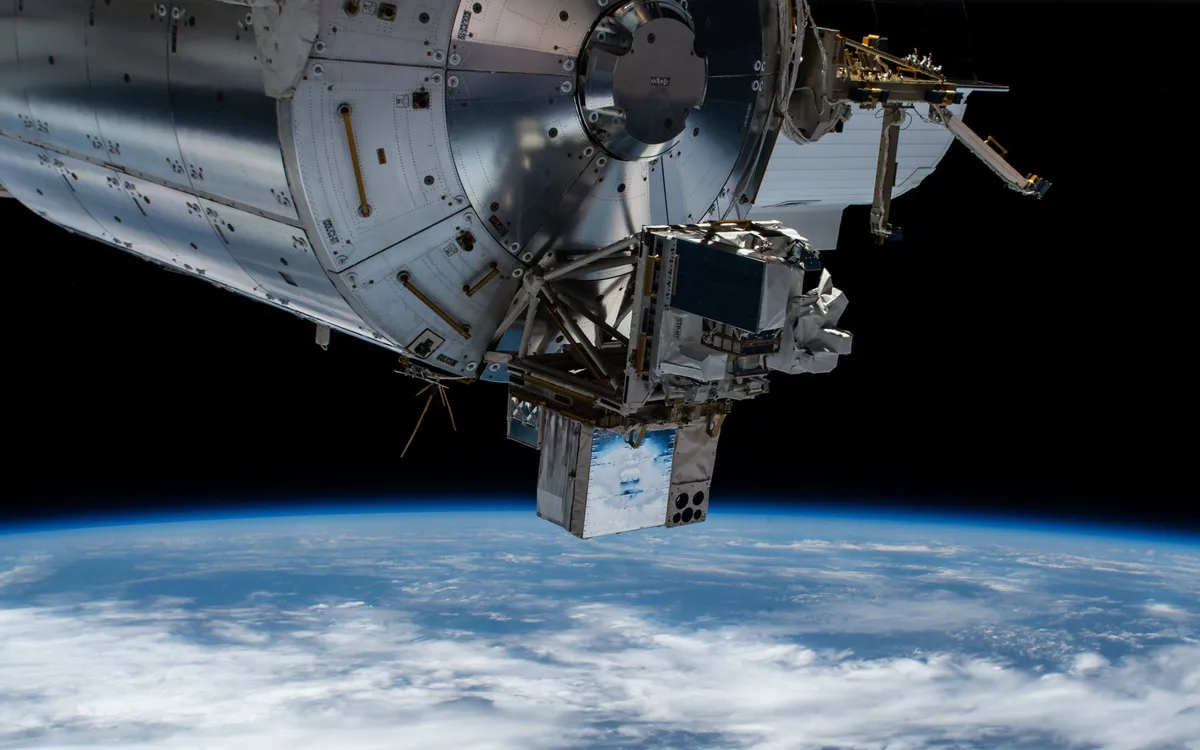
Lightning is one of the most common natural hazards on Earth, and our warming planet is just beginning to feel the effects of a future with more severe thunderstorms and increased lightning strikes. But there’s a lot that atmospheric scientists don’t understand about how lightning works. Better lightning data could improve severe weather forecasts and warnings, and could help researchers to understand where hazards will increase in the future—and the associated impacts such as wildfires and need for lightning -proofed infrastructure. A unique optical sensor that just spent two years on the International Space Station could help fill those gaps. Researchers at Western Sydney University, supported by the U.S. Air Force Research Lab, demonstrated the use of an event-based vision sensor (EBVS) to record lightning strike details from above—at lower cost, higher resolution, and lower data rates than before. “The technology is based on how biology works and can see things that a norm...

Comments
Post a Comment